Case Title : MAHESH KUMAR AGARWAL vs UNION OF INDIA & ANR.
Citation : 2025 INSC 1476
Date : 19.12.2025
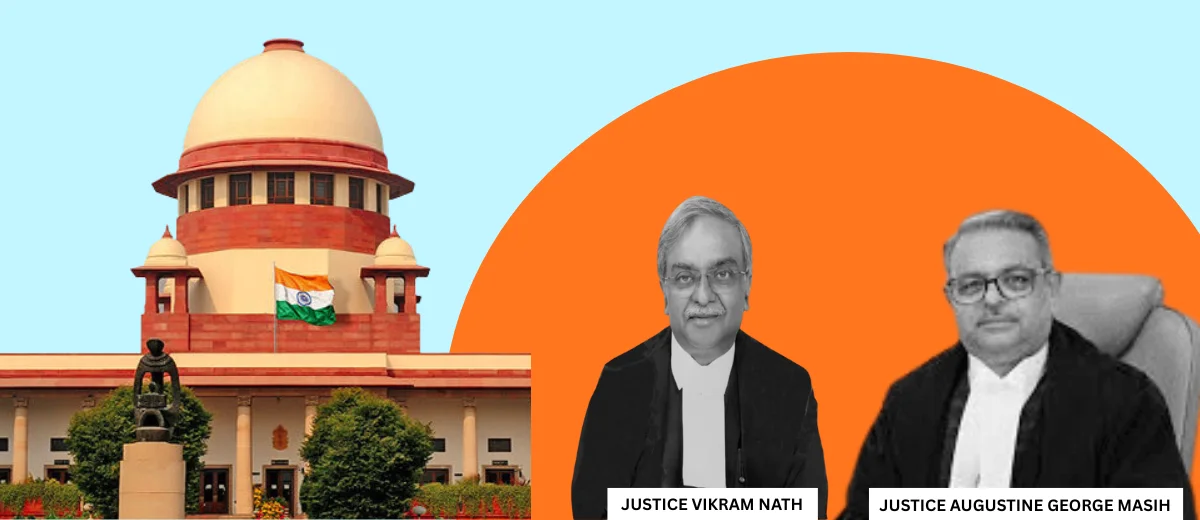
Hon’ble Bench Of Supreme Court – Justice Vikram Nath and Justice Augustine George Masih
Mahesh Kumar Agarwal, an Indian citizen, sought a 10-year renewal of his expired passport. He is currently an accused in an NIA case and has a pending appeal against a CBI conviction. While the NIA Court (Ranchi) and Delhi High Court granted “no objection” for the renewal, the Passport Authority in Kolkata refused, citing a “statutory bar” under Section 6(2)(f) because criminal proceedings were still pending. The Calcutta High Court upheld this refusal, ruling that a passport could only be issued if the court authorized a specific foreign trip.
The Supreme Court set aside the High Court’s orders and directed the RPO Kolkata to issue the 10-year passport. The Court emphasized that:
- Holding a passport is a matter of personal liberty (Article 21), whereas the actual act of traveling abroad remains under the strict control of the trial court.
- Since two courts had already reviewed the risks and allowed the renewal, the Passport Authority should not have second-guessed those judicial decisions.
- Section 6(2)(f) is not an absolute bar; the government’s own notification (GSR 570(E)) allows for passports to be issued to those with pending cases if a court provides permission.
- Authorities cannot deny a passport simply because a case or appeal is pending if a court has given a “no objection”.
- A court does not need to approve a specific journey or date to allow a passport renewal.