
Date: 28/03/2026
Case Name: THE CUSTOMS V. FARIDAH NAKANWAGI
Petition Number: SLP (Crl.) No. 2725/2026
Date of Order: 18.03.2026
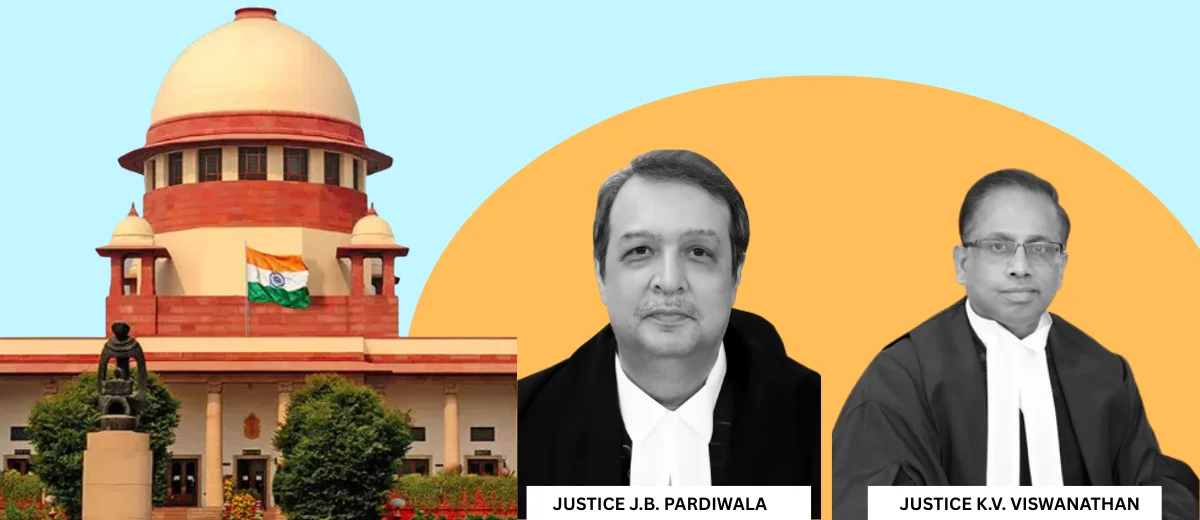
Coram: HON’BLE MR. JUSTICE J.B. PARDIWALA & HON’BLE MR JUSTICE K.V. VISWANATHAN
BACKGROUND:
This Petition was filed by the Customs Department challenging the Delhi High Court’s order granting bail to the respondent, a Ugandan national accused under the Narcotic Drugs and Psychotropic Substances Act, 1985 (NDPS Act).
FACTS:
The respondent is a 32 year old Ugandan national. She was arrested in 2022 under Sections 8, 21, 23, 28 of the NDPS Act. She had been in custody for more than three years before being granted bail by the Delhi High Court on 15.09.2025. Still, she had to remain in custody due to her inability to furnish a solvent surety. The Trial Court reduced the amount from Rs. 1,00,000 to Rs 25,000, but the respondent still could not comply. The trial is going on and approximately 22 witnesses have been examined so far.
ISSUES:
- Whether Article 21 extends to foreign nationals?
- Whether financial inability to provide a solvent surety can deny liberty to an accused who has already been granted bail on merits?
ARGUMENTS OF THE PARTIES:
The Petitioner seeked cancellation of the bail order and argued that the respondent had failed to furnish the surety required by the High Court’s original order. No counsel had appeared for the Respondent. Her continued detention and lack of legal representation were likely due to her financial difficulties. The High Court had already considered factors like prolonged custody, lack of criminal record, and possible racial discrimination which cannot be ruled out.
COURT’S DECISION AND ANALYSIS:
The Court explicitly held that Article 21 applies even to foreign nationals prosecuted in India. Once an accused has been able to make out a case for bail, then factors like financial difficulties or the inability to find a solvent surety etc. should not come in the way of their release.
The Court set aside the requirement of solvent surety and allowed the respondent to be released on a personal bond of Rs. 25,000. Once released, she had to be moved to a detention centre. The Court ordered co-ordination with immigration authorities to prevent flight risk. The Delhi State Legal Services Authority was instructed to facilitate the bond process and ensure her early release.
CONCLUSION:
The Court disposed of the petition and held that personal liberty cannot be sacrificed because of factors like financial constraints. The Court acknowledged that it was not the time to decide the legality of the High Court’s order as the trial was already at an advanced stage. Therefore, instead of cancelling bail, the Court ensured practical enforcement of liberty and also maintained a fair balance between the rights of the accused and the state’s interests.