Case Name: DR. S. BALAGOPAL V. STATE OF TAMILNADU & ANR.
Petition Number: CRIMINAL APPEAL OF 2026 ARISING OUT OF SPECIAL LEAVE PETITION (Crl) NO.14803/2023
Neutral Citation: 2026 INSC 319
Date of Judgement: 06.04.2026
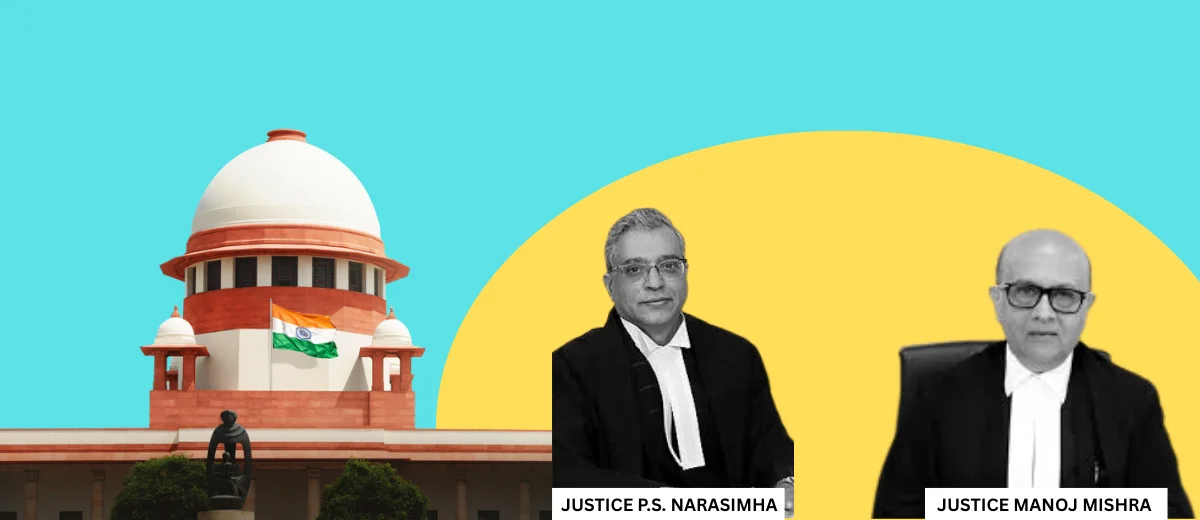
Coram: HON’BLE MR. JUSTICE PAMIDIGANTAM SRI NARASIMHA AND HON’BLE MR. JUSTICE MANOJ MISRA
INTRODUCTION
In the present case, the respondent alleged that a paediatric surgeon performed a medical surgery on his son without his consent and that his consent was interpolated in papers. The Supreme Court examined whether the consent was properly recorded without any alterations made and whether the respondent was aware of the alternative procedure performed before the operation.
FACTS AND PROCEDURAL HISTORY
The Second Respondent, the de-facto complainant was the father of a 1.5 year old child who alleged that the appellant – operating surgeon performed Orchidectomy (i.e. removal of testicles) on his son without his prior consent. He further alleged that his consent was taken only for Orchidopexy (moves an undescended testicle into the scrotum) but not for Orchidectomy. On 8th August 2006, an FIR was registered. After investigation, the police filed a chargesheet which the Magistrate took cognizance of and the case was filed. Both parties filed petitions under Section 482 of the Code of Criminal Procedure, 1973, the appellant to quash the criminal proceedings against him and the respondent to appoint a Medical Board to obtain an independent opinion on the matter respectively. Even after the submission of the Medical Board Report, the proceedings continued against the appellant. The High Court rejected the prayer of the appellant and allowed the plea of the respondent. Aggrieved, the appellant appealed to the Supreme Court.
ISSUES
- Was the consent of the father obtained limited to the procedure of Orchidopexy?
- Whether there was any interpolation in the Consent Form to add the alternative procedure, Orchidectomy?
JUDGEMENT AND ANALYSIS
In the beginning of the judgement, the Supreme Court clarified that the credentials of the operating surgeon is not in issue, citing the example of ‘Acts Done in Good Faith without the person’s consent for their benefit’ falling under Section 92 in the General Exceptions of the IPC. The Court held that the report of the Medical Board appointed is of high importance in the present case.
As per the report of the Medical Board, both Orchidopexy and Orchidectomy were mentioned and separated by a slash in the Consent form. There is nothing to indicate that the consent obtained was not in order or no consent was obtained. Moreover, the consent was given in printed form after the appellant surgeon explained the consequences of retaining the undescended testis.
With regard to the second issue, Orchidectomy was not entered into by a different ink or handwriting. According to the Medical Board, Orchidectomy was the best alternative procedure appropriate for the child considering the complications that could arise given the position of the testis.
CONCLUSION
The Supreme Court concluded that the Medical Board having opined Orchidectomy as the appropriate alternative procedure carried out with medical ethics, continuance of criminal proceedings against the appellant would result in the abuse of process of law. The Judgement reinforces the importance of acknowledging the credibility, professional ethics and opinions of medical practitioners and surgeons in medical exigencies.