
Case Name: ABC vs. STATE OF MAHARASHTRA
Petition No.: Criminal Writ Petition No. 470 Of 2026
Neutral Citation: 2026:BHC-NAG:8407-DB
Date of Judgement: 03.07.2026
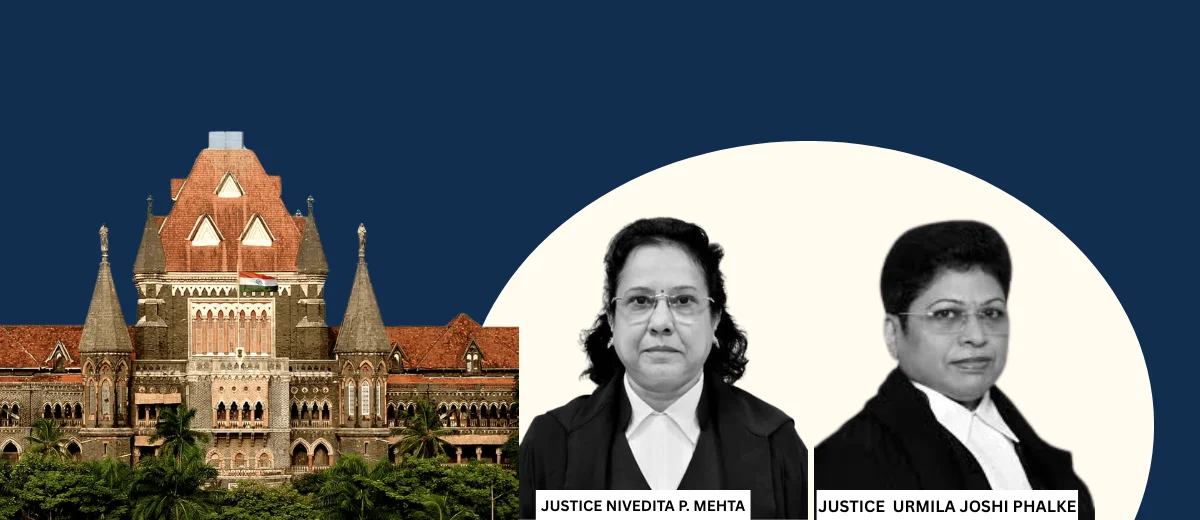
Coram: Hon’ble Ms. Justice Nivedita P. Mehta and Hon’ble Ms. Justice Urmila Joshi Phalke
Relevant Statutes & Provisions: Article 21 of the Constitution of India
INTRODUCTION
The Hon’ble Bombay High Court, Nagpur Bench, has held that the right to privacy under Article 21 of the Constitution incorporates the right to be forgotten, and that once criminal proceedings stand quashed, no public interest is served by continuing to keep a litigant’s personal identifiers accessible on the Court’s digital portals. Allowing a writ petition filed by a litigant whose FIR had been quashed over seven years earlier pursuant to an amicable settlement, the Court directed the Registry to mask his name from the case records and to substitute it with “ABC” in all future proceedings and search results.
FACTS
The Petitioner was granted anticipatory bail in his matter, and the dispute was thereafter amicably resolved between the parties. In view of the settlement, a Division Bench of the Bombay High Court allowed Criminal Application and quashed the FIR against him along with all subsequent proceedings. Despite this exoneration over seven years ago, the unredacted digital records of the judgment remained accessible on the High Court’s website and indexed by search engines, which the Petitioner contended surfaced routinely during professional and educational background checks, prejudicing his career and causing social stigma to his family and minor daughter. He accordingly approached the High Court seeking masking and anonymisation of his personal identifiers from the records and delinking of these records from search engine indexability.
ISSUE
Whether a litigant whose criminal proceedings stand quashed and who is legally exonerated is entitled to seek relief under Article 21 for masking and anonymising his personal identifiers from the digital records of the case maintained on the Court’s website?
ARGUMENTS OF THE PARTIES
Counsel for the Petitioner submitted that the continued availability of his name on the High Court’s website prejudiced his social life and career progression, and that he was entitled to protect his reputation from being unfairly harmed, such protection extending not only against falsehoods but also against certain truths that had ceased to serve any public purpose. Reliance was placed on the decision of the High Court, in Writ Petition No. 3499/2021 (ABC v. Union of India & Ors.), where the right to be forgotten had been considered and a similar direction of delinking granted, and it was submitted that the same relief ought to follow on parity of reasoning. The learned Additional Public Prosecutor for the State opposed the petition, but fairly conceded that the right to privacy itself was not disputed and that an appropriate order in that regard could be passed.
JUDGEMENT AND ANALYSIS
Regarding the issue, the Court held that it is well settled that the right to privacy is a fundamental right and forms an intrinsic part of Article 21 of the Constitution of India, and the concept of right to privacy incorporates the right to be forgotten. It reasoned that in the age of internet, every piece of information that finds its way to the individuals acquitted of any offence or when criminal proceedings against such persons are quashed, emanates from the most basic notions of proportionality and fairness, and while access to information is a fundamental aspect of democracy, the same cannot be divorced from the need to balance the right to information of the public with the individual’s right to privacy, particularly since after the quashing of the proceedings, no public interest can be served by keeping the information alive on the internet.
In support, the Court relied on its own earlier decision in Writ Petition No. 3499/2021 (ABC v. Union of India & Ors.), noting that the Petitioner therein had not sought destruction of Court records but only delinking of the judgment, a prayer supported by the judgment of the Hon’ble Supreme Court in K.S. Puttaswamy (Retd.) v. Union of India (2019) 1 SCC 1, which safeguards individual autonomy and the ability to control vital aspects of one’s life. The Court also noted the Delhi High Court’s decision in ABC vs. State of Another 2024 SCC OnLine Del 8113, reiterating that the right to privacy, being intrinsic to Article 21, extends to litigants seeking removal of identifying details from the public digital domain.
On facts, the Bench found that the FIR had been registered, the dispute amicably resolved during investigation, and the FIR together with all consequential proceedings quashed by the Division Bench, such that no proceedings remained pending against the petitioner. Considering the consistent judicial view, the amicable settlement, and the limited prayer for masking rather than destruction of Court records, the Court held that the relief sought was liable to be granted. It accordingly directed the Registry to remove the petitioner’s name from the records of Criminal M.A. No. 2593/2017, Criminal Application (APL) No. 802/2017 and the writ petition itself, together with associated search results, directing that henceforth the Petitioner be shown as “ABC” in the cause title, pleadings, citations, judgment and orders in the said proceedings.
CONCLUSION
The Bombay High Court allowed the writ petition and directed the Registry to mask the petitioner’s identity across the digital records of the concerned proceedings, substituting his name with “ABC” going forward. The judgment reaffirms that the right to privacy under Article 21 incorporates the right to be forgotten, and that once proceedings stand quashed, continued public accessibility of a litigant’s identifying details serves no legitimate public interest.



 > Mon - Sat, 9:00 AM – 7:30 PM